










The Best Sunglasses Lens Tint for Every Outdoor Activity in South Africa
You've spent good money on a pair of sport sunglasses. The fit is dialled in and the UV protection is sorted. But here's what most people get wrong: the colour of your lenses matters just as much as whether they're polarized or not. Pick the wrong tint and you're making your eyes work harder, not easier.
With autumn settling over South Africa and Comrades season approaching, now's the perfect time to understand which lens tint works best for your sport and conditions.
Why Your Sunglasses Lens Tint Matters More Than You Think
Every lens tint filters light differently. Some boost contrast, others preserve true colour, and a few are purpose-built for specific environments. The right tint reduces eye fatigue, helps you spot hazards faster, and keeps you performing longer.
Think of it this way: a grey lens on an overcast Highveld morning is about as useful as sunscreen at midnight. You need the right tool for the job.
Here's your cheat sheet.
Grey and Smoke Lenses: The All-Rounder
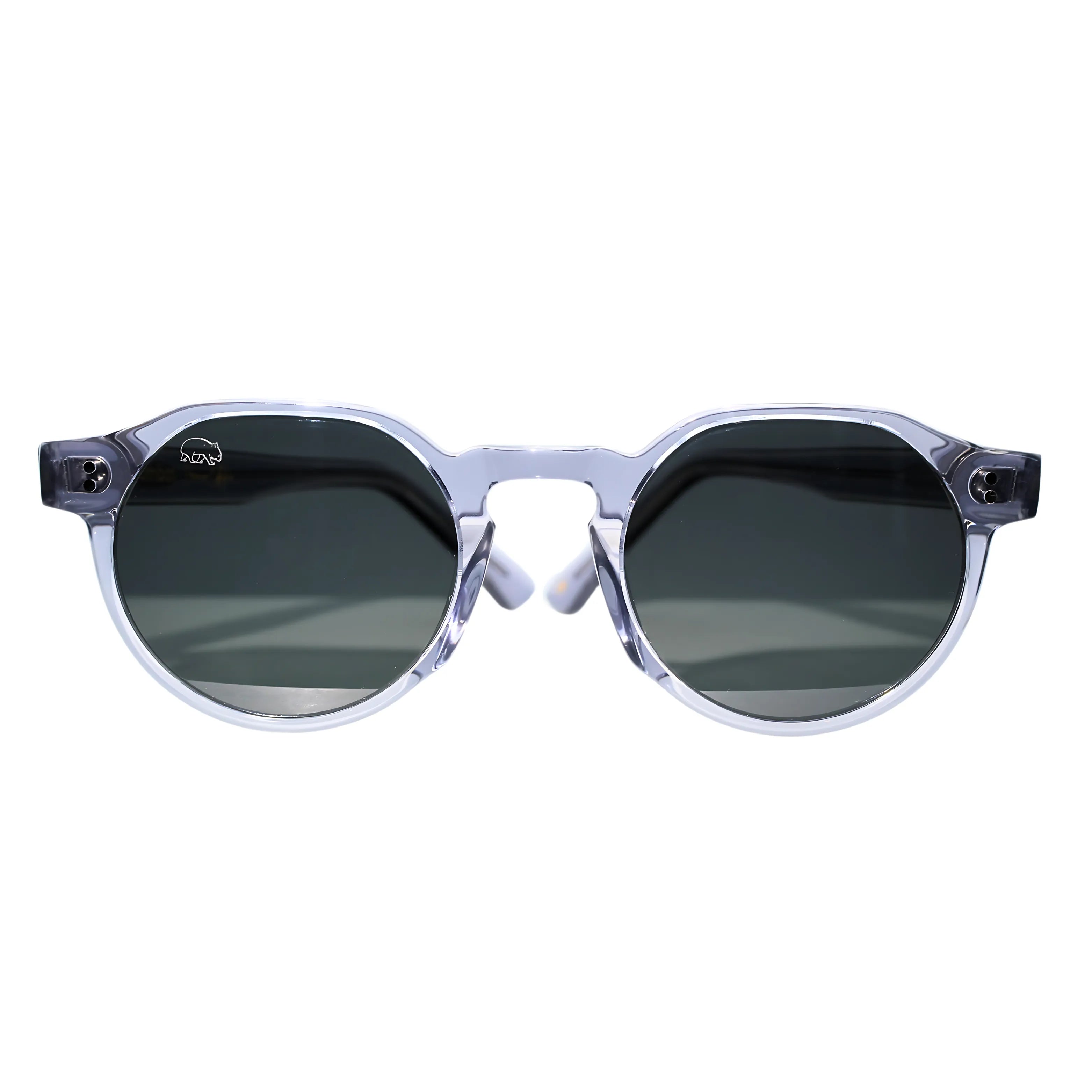
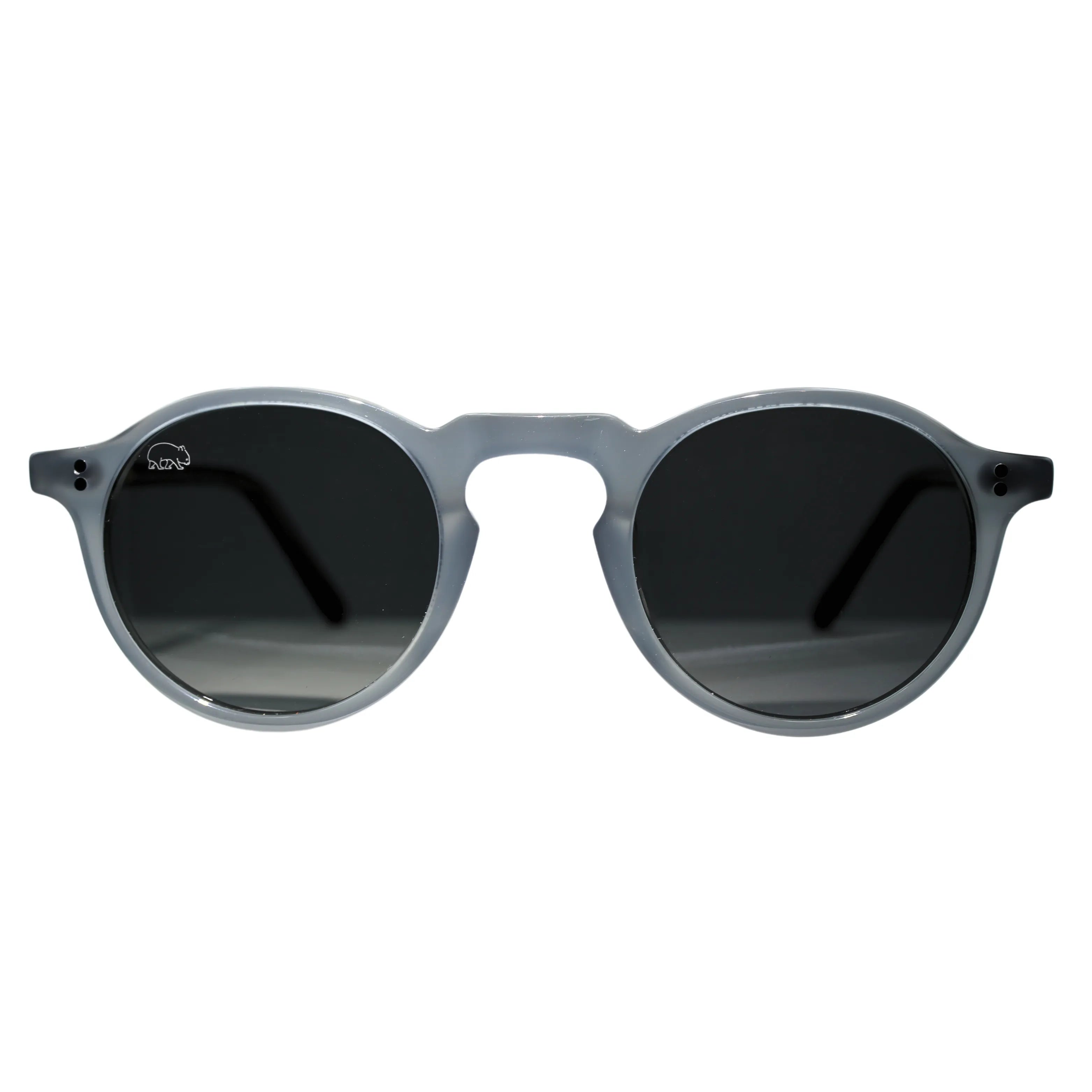
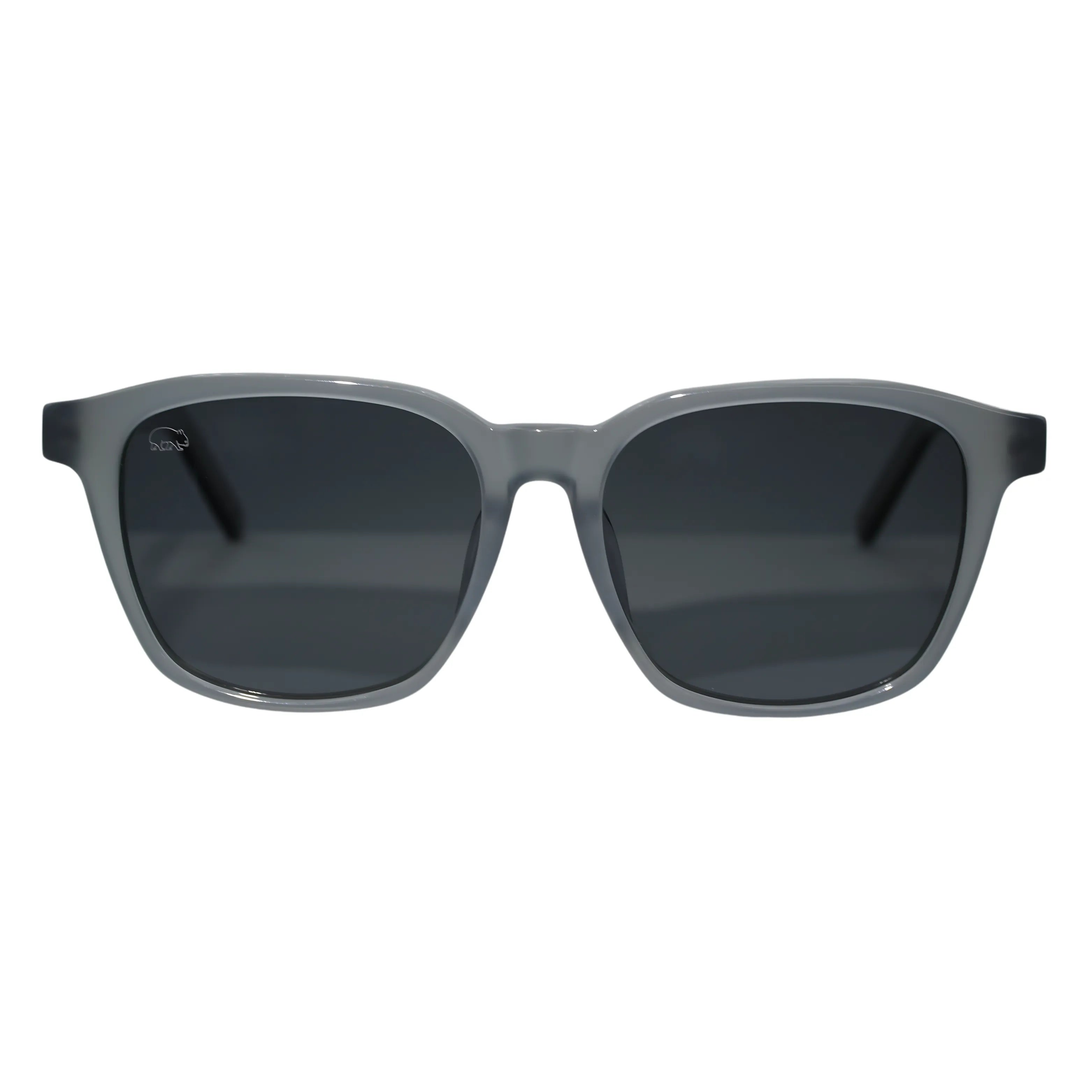
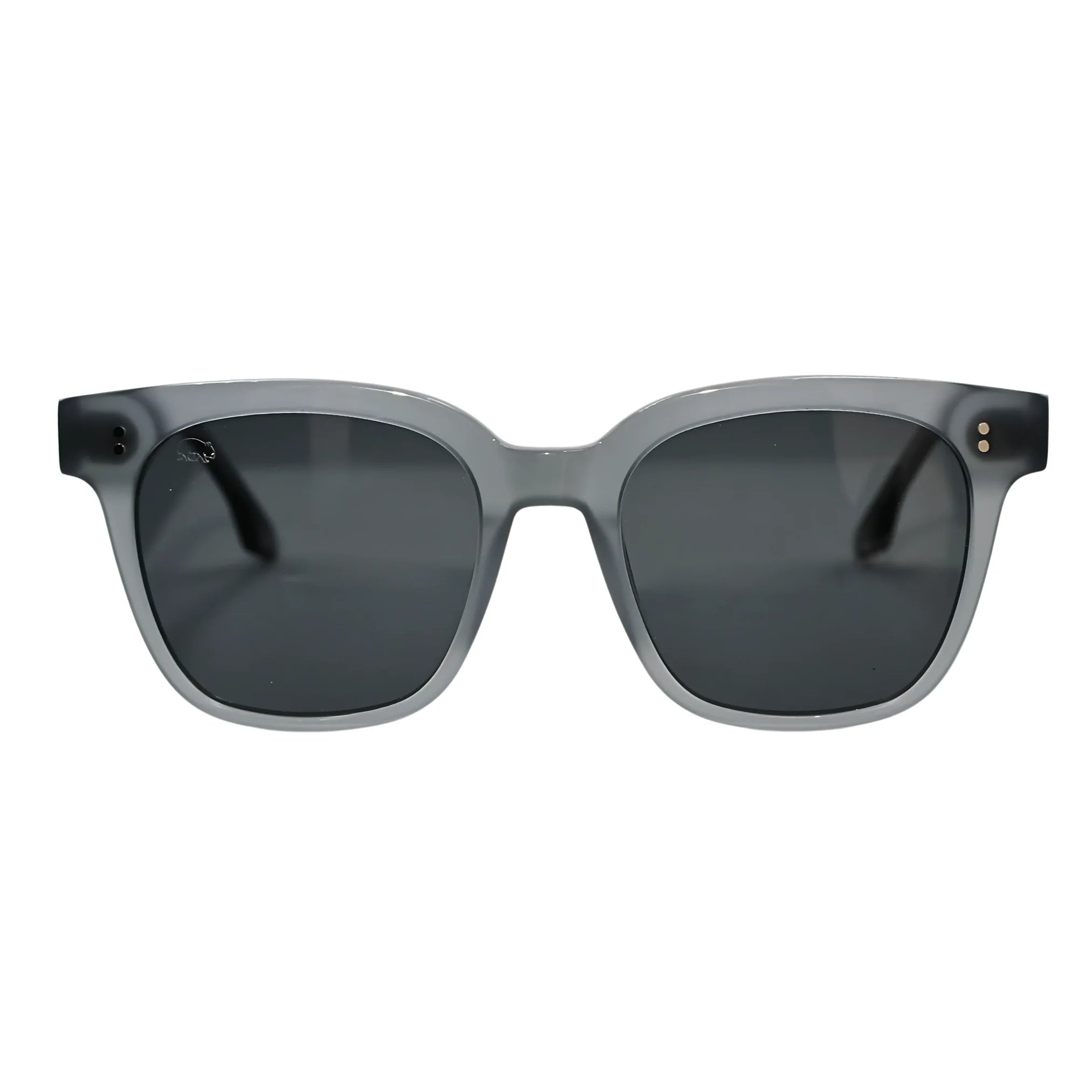
Grey is the classic for a reason. It reduces brightness evenly across the colour spectrum without distorting what you see. If you want true colour perception on a bright, sunny day, grey is your go-to.
Best for: Road cycling in full sun, driving, beach days, general outdoor use.
Not ideal for: Overcast conditions or low light — grey lenses can make everything look flat and dull when there isn't enough sun to work with.
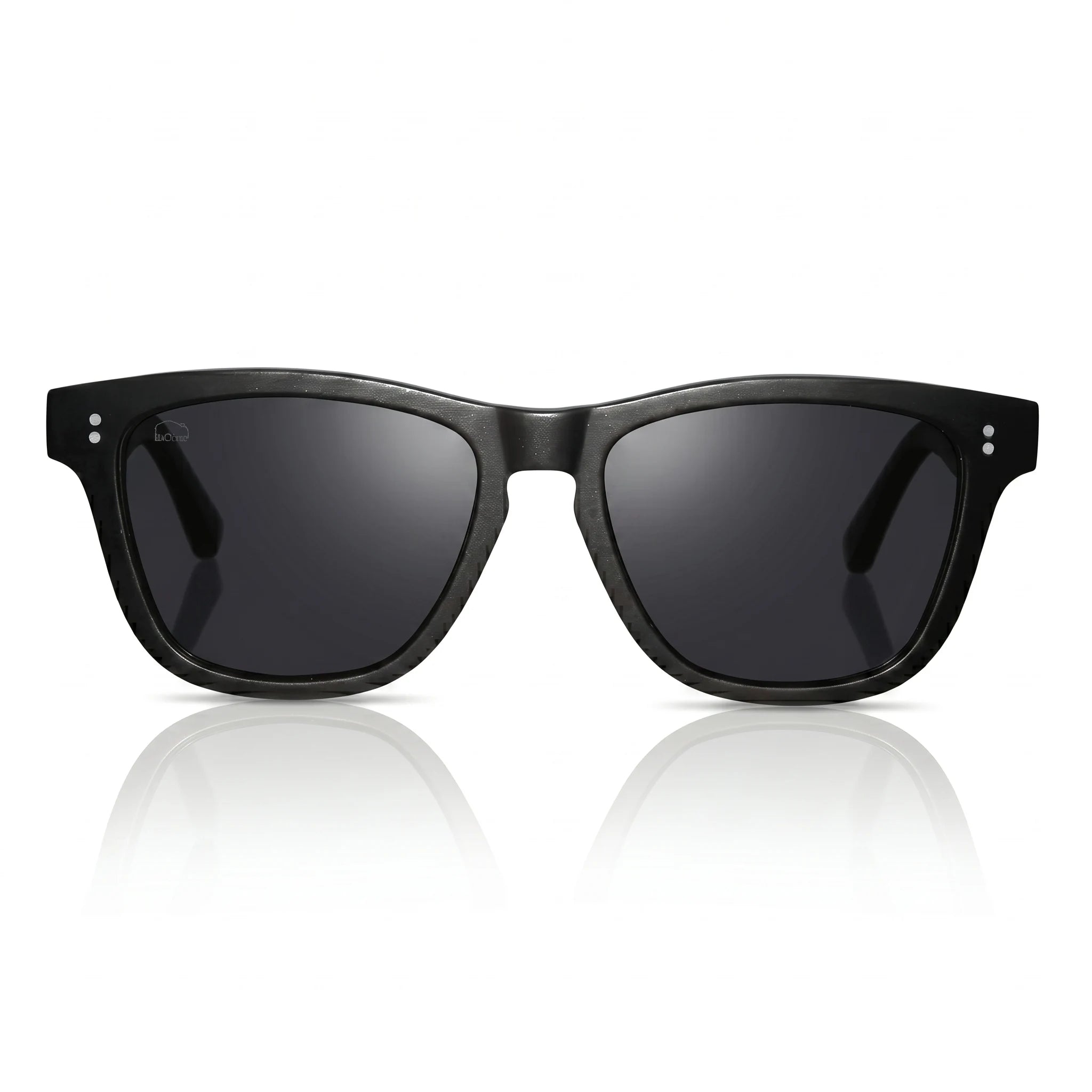
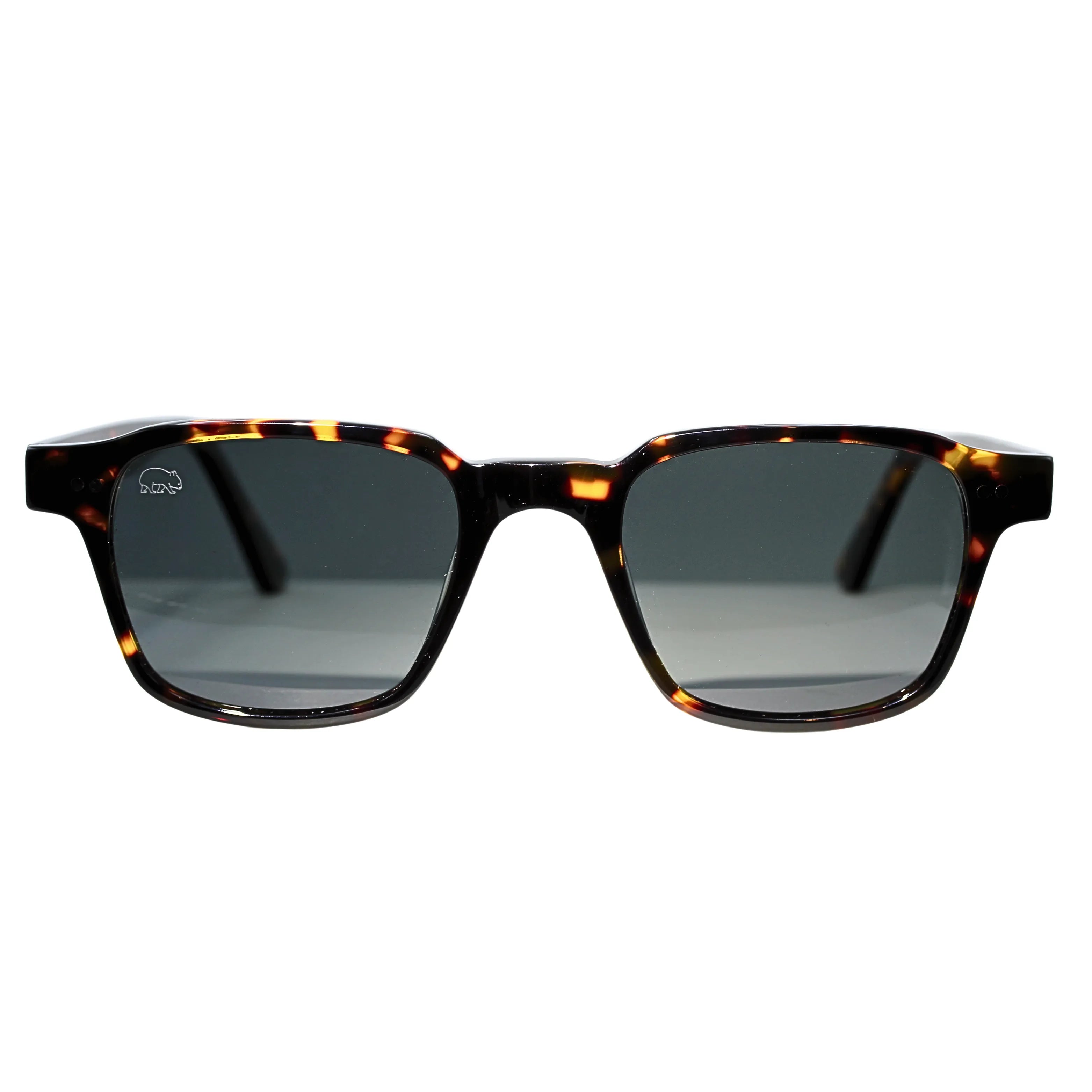
If you ride or run primarily in summer or in the midday sun, a good grey polarized lens is hard to beat. Wombat Gear's polarized lenses in The Glitch are a solid option here — UV400 protection with polycarbonate durability that handles tar road glare like a champ.
Amber and Brown Lenses: The Contrast Kings
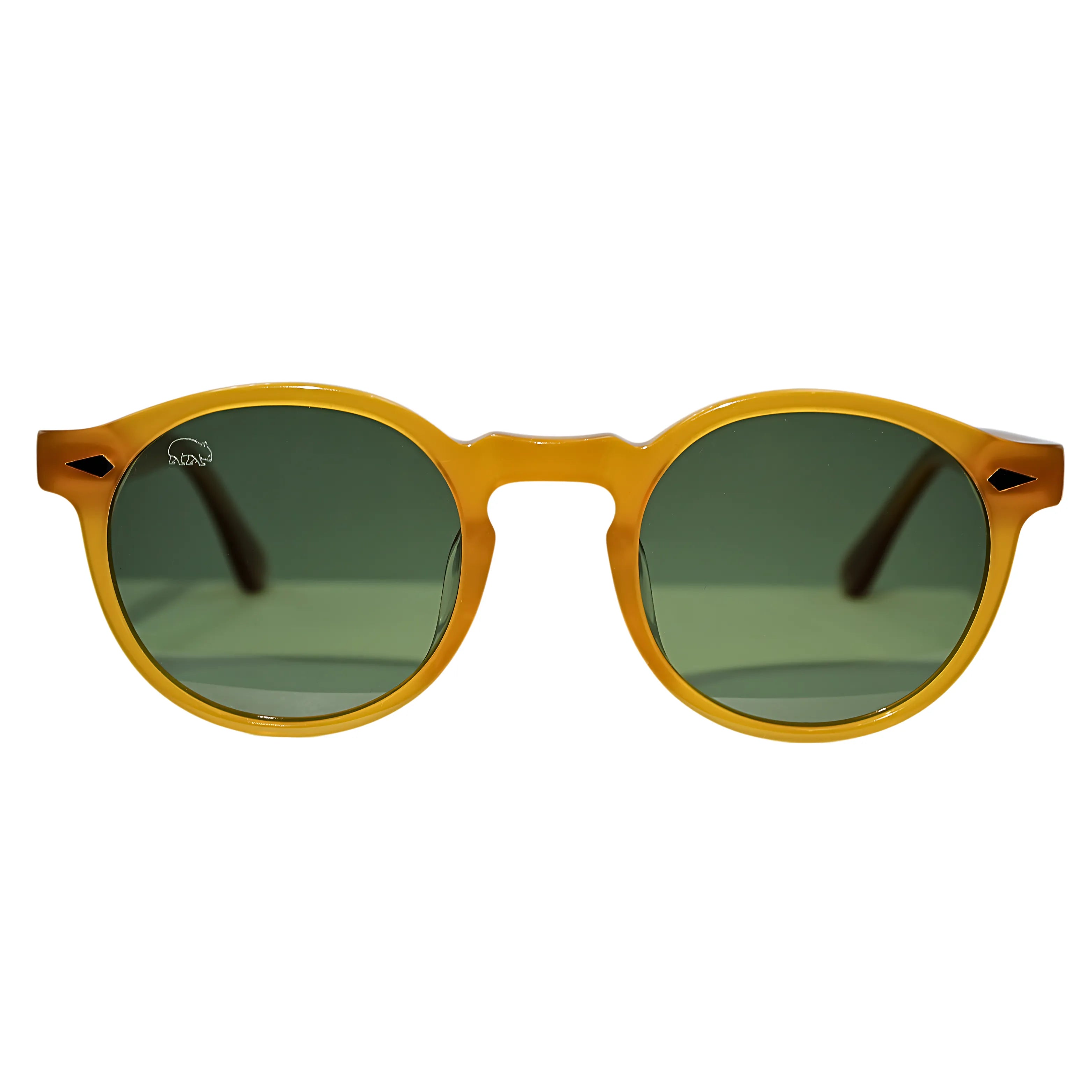
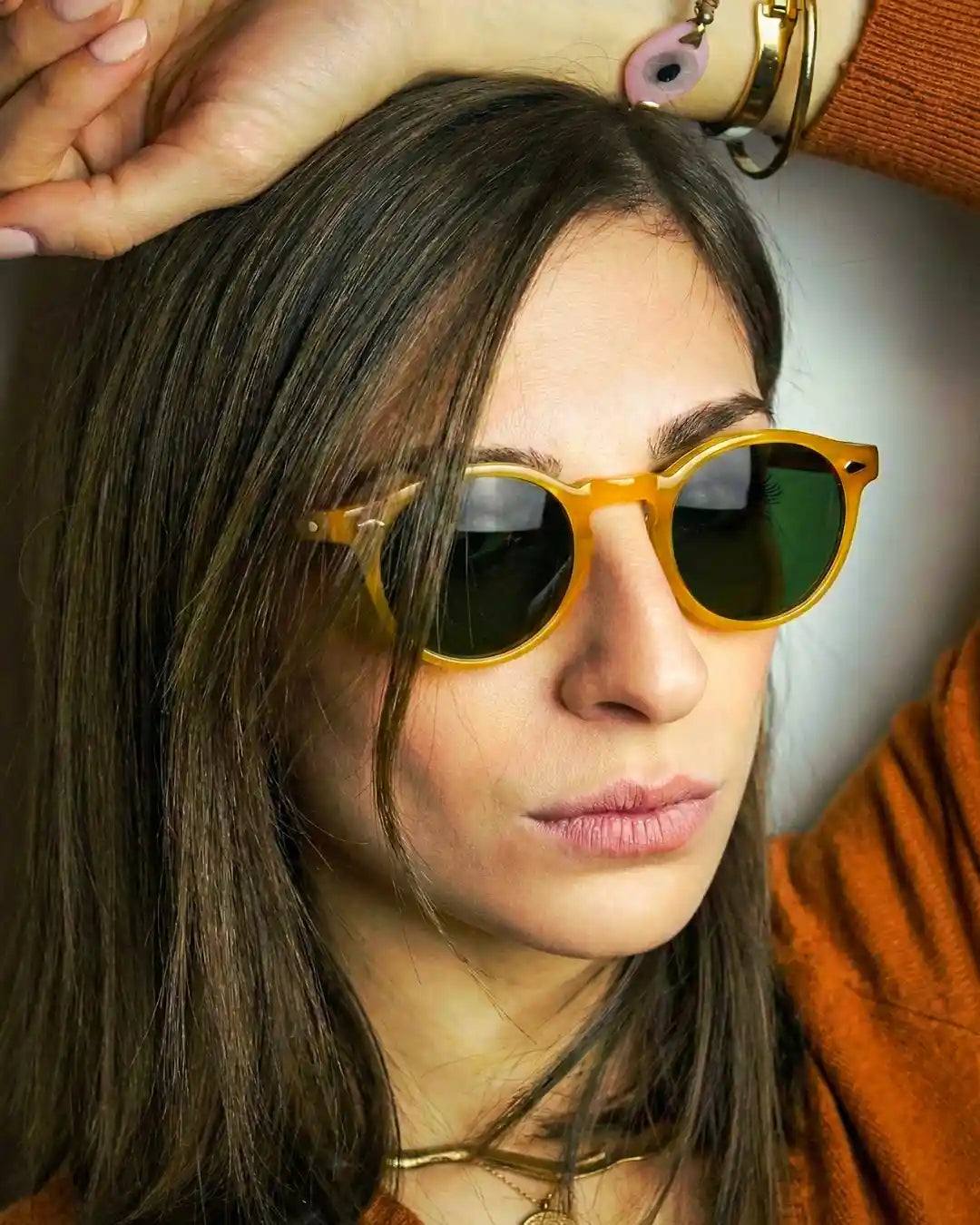
Amber and brown tints are where things get interesting. These lenses filter out blue light and significantly enhance contrast, making them brilliant for picking out detail against green and brown backgrounds.
Best for: Trail running, mountain biking, hiking, cricket, and golf. Essentially any sport where you need to read terrain, spotting roots, rocks, sand changes, or a ball against the sky.
Not ideal for: Water sports where you need colour accuracy, or extremely bright conditions where a darker tint would be more comfortable.
For anyone tackling the trails around Jonkershoek, Table Mountain, or the Magaliesberg this autumn, amber lenses are your secret weapon. They'll make the trail pop against the bush in a way grey lenses simply can't.
Yellow and Orange Lenses: The Low-Light Specialists
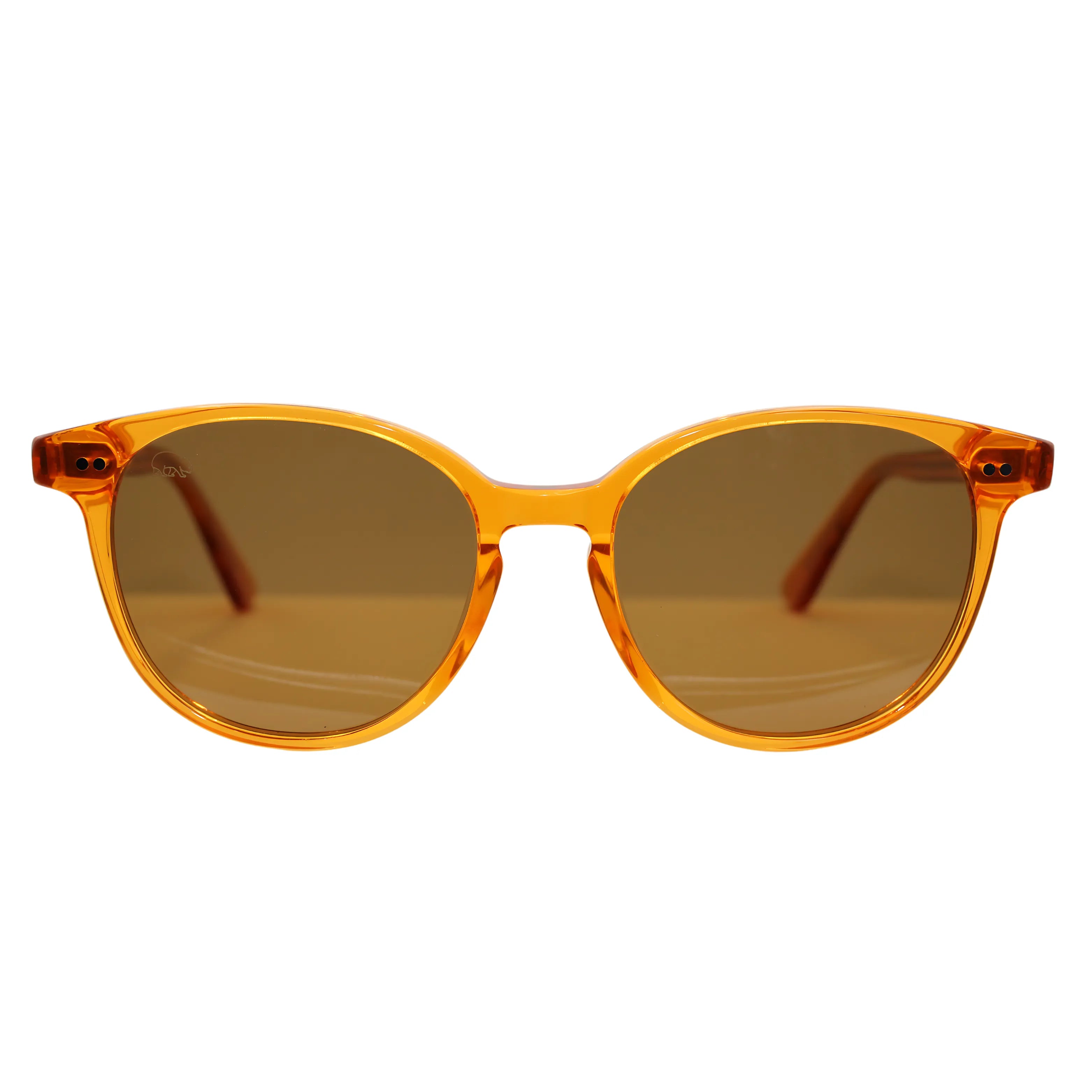
Here's where most South Africans miss a trick. Yellow and light orange tints are designed specifically for low-light conditions, overcast days, fog, dawn, and dusk. They boost brightness and contrast when natural light is scarce.
Best for: Early morning or late afternoon rides, misty Midlands runs, overcast winter cycling, indoor-to-outdoor transitions.
Not ideal for: Bright sunshine. Yellow lenses in full midday sun will leave you squinting.
As we head into the South African winter months, sunrise shifts later and plenty of us are training in dimmer conditions. A yellow or orange lens for your early rides or Parkruns can genuinely improve your visibility and reaction time. If you've got a pair of Oakleys or Ray-Bans gathering dust because the lenses aren't right for winter, the Nyoo Custom lens replacement service can cut you a fresh set in the tint you actually need, without buying a whole new frame.
Rose and Pink Lenses: The Trail Runner's Friend
Rose-tinted lenses aren't just for optimists. They enhance contrast in green-dominant environments, making them a favourite among trail runners and mountain bikers under tree canopy.
Best for: Shaded trails, wooded singletrack, green environments, variable light.
Not ideal for: Open road cycling in full sun, the colour shift can distract over long distances.
If your weekend involves dodging roots on the Tokai trails or weaving through Knysna forests, rose lenses are worth a try.
Blue and Green Mirror Coatings: Style Meets Function
Mirror coatings reflect light away from the lens surface, reducing overall brightness. They look lekker and add extra glare reduction on top of your base tint.
Best for: Water sports, fishing, beach running, and high-glare environments.
Not ideal for: Low-light conditions, mirror coatings reduce light transmission, so save them for sunny days.
A blue mirror on a polarized lens is the angler's dream. The polarization cuts through water surface glare while the mirror knocks down brightness. If you're chasing yellowtail off the Cape coast, this combo is non-negotiable.

How to Pick the Right Lens Tint for South African Conditions
South Africa throws everything at you, blazing Highveld summers, misty Cape winters, dusty Karoo roads, and shaded coastal trails. That's why serious outdoor athletes don't rely on a single pair of lenses.
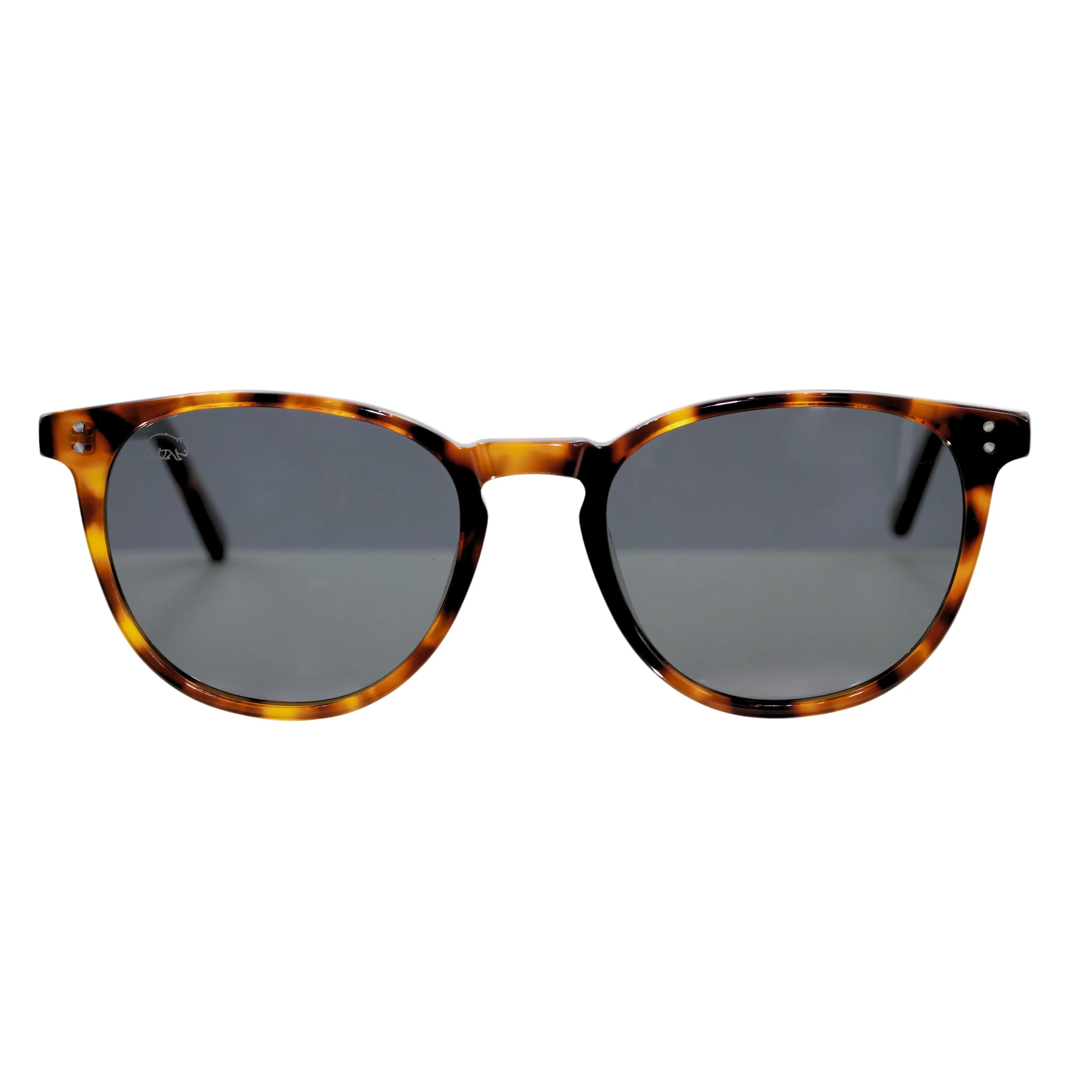
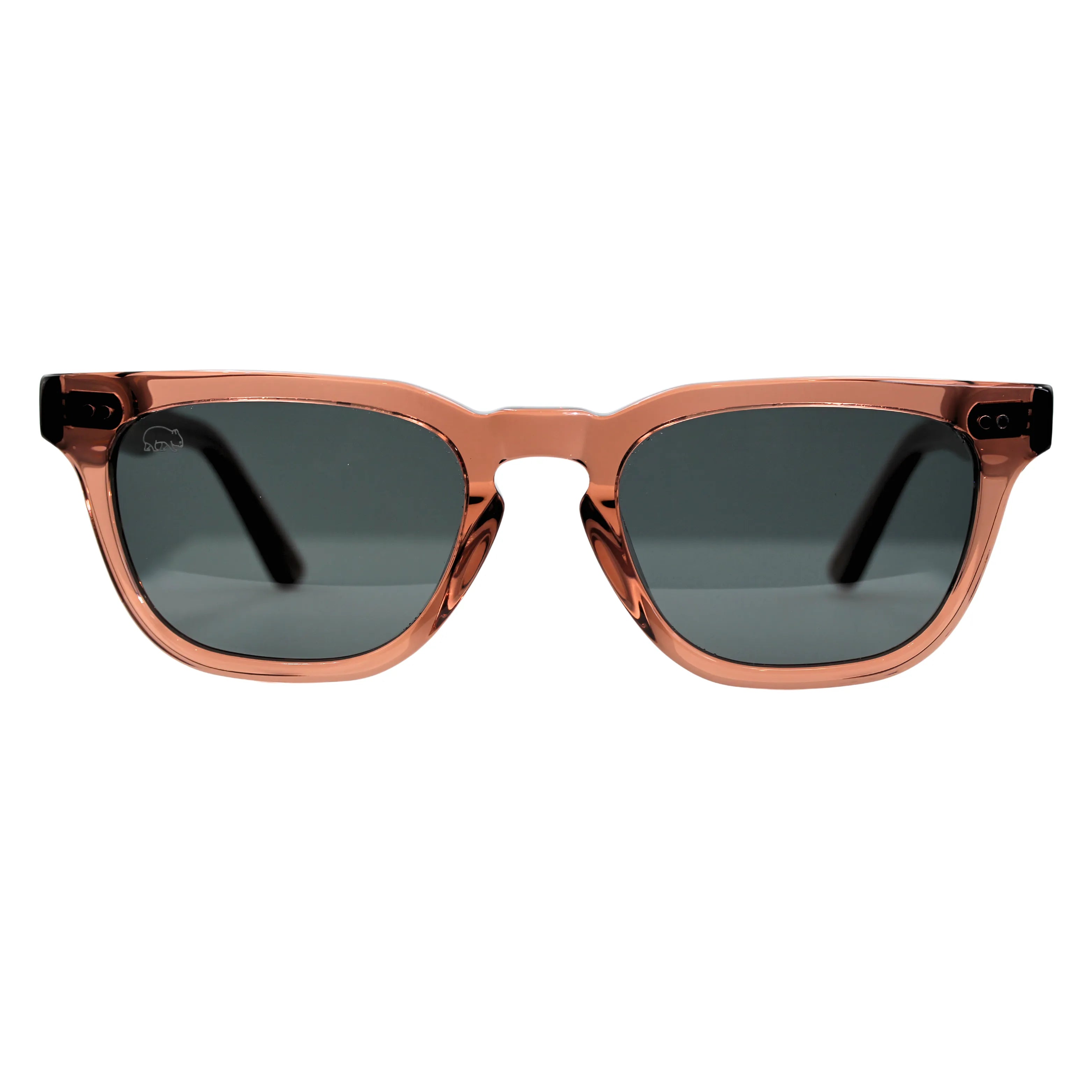
The smartest move? Two tints on rotation. A grey or brown polarized lens for bright days, and a yellow or rose lens for early mornings and winter training. With TR90 frames like the Wombat Gear Skylark, swapping is as simple as popping in a fresh set.
Already got frames you love? You don't need new sunglasses every time the season changes. The Nyoo Custom service cuts replacement lenses in your choice of tint, polarization, and coating to fit your existing frames. Better for your wallet, better for the planet.
Stop Guessing, Start Seeing
The right lens tint won't make you faster — but it will reduce eye strain and help you spot hazards before they become problems. Whether you're lining up for Comrades or casting a line on a Saturday morning, matching your lens colour to your conditions is one of the simplest upgrades you can make.
Browse the full range at wombatgear.co.za or check out Nyoo Custom to get the perfect tint for your existing frames.
#justbelekker #risetheunderdog